
Internal Audit Services in Dubai
Internal audit is important in enhancing organizational controls and governance. It gives assurance on processes, risk, and internal controls. Internal audit helps businesses to enhance efficiency, compliance, and decision making. The modern organizations operate in complex regulatory and operational environments. Risks arise from operations, finance, technology, and compliance failures. These risks can be managed in proactively by internal audit, including through Internal audit services in Dubai. It helps the management attain goals in a sustainable manner. Internal audit ceases being a find fault exercise. It is a value-oriented operation that promotes continuous improvement. Internal audit is becoming more and more popular in businesses in order to improve transparency and accountability.
Understanding Internal Audit and Its Business Relevance
Internal audit is defined as an autonomous analysis of internal systems and processes. It evaluates the efficiency of controls, risk management and the governance arrangements. The goal is based on betterment instead of punishment. Internal audits are continuous and flexible unlike statutory audits. They accommodate to organizational risks and operational changes. Internal audit results help the management to fortify internal structures, especially when guided by Best internal audit companies in Dubai. Internal audit gives the management of objective information.
It shows loopholes in controls and inefficiencies in processes. These insights are helpful in making informed strategic decisions. Businesses that have internal audit practices is successful in increased discipline in businesses. They get clarity over the procedures and responsibilities. This clarity enhances the stability and performance of the organization.
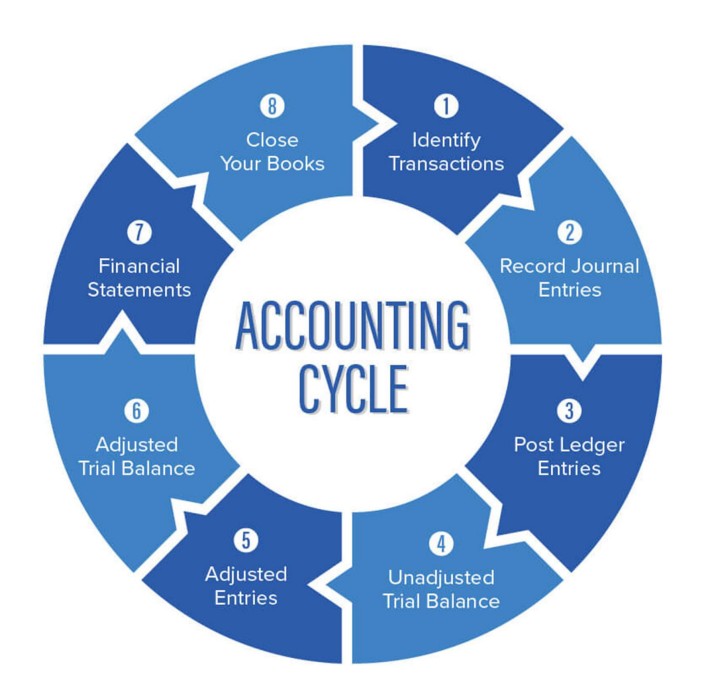
Scope of Internal Audit in Modern Organizations
Internal audit deals with a broad spectrum of business operations. Its coverage is different according to size, industry, and risk profile. An organized scope is a guarantee of extensive coverage particularly for Corporate internal audit Dubai engagements.
• Operational Audit Scope
Operational audits contribute a lot when it comes to assessment of business processes and workflows. They look into efficiency, effectiveness, and use of resources. Auditors determine the bottlenecks and the areas of improvement. Operational audits assist in process optimization and productivity improvement, including Operational internal audit Dubai practices. Businesses accomplish more by using fewer resources.
• Financial and Control Review Scope
Accounting records and internal controls are evaluated during a financial audit. They check accuracy, reliability and compliance. The transactions, the reconciliations and the authorization procedures are audited in it. Segregation of duties and approval mechanisms is ensured through control reviews. Tight controls minimize fraud and error risks. Financial discipline enhances organizational credibility, supported by Financial internal audit Dubai expertise.
Role of Internal Audit in Governance and Management Support
Internal audit reinforces the corporate governance framework. It assures boards and management, independently. Governance has high standards, which increase stakeholder confidence. The auditors assess the compliance and ethical practices under the policies. They make sure that operations are in line with organizational goals. The gaps in governance are addressed on time as well. The management also utilizes internal audit to aid management decision making. It gives evidence-based observations and suggestions. Management gets a clear picture on the operations risk and control effectiveness, including insights from Risk management audit Dubai. Internal audit helps in establishing a accountability culture. The expectations of employees in terms of compliance are clear. Such culture enhances integrity and trust in the organization.
Internal Audit Process and Methodology
Internal audit process is well structured making it consistent and reliable. It is adhered to a series of planning, execution and reporting. This is a method of improving audit effectiveness.
• Audit Planning and Risk Assessment
Risk identification is the first step of audit planning. Auditors evaluate both operational risks, financial risks and compliance risks. The priority is given to high-risk areas. The process of planning also involves the determination of audit objectives and scope. Auditors prepare audit program accordingly. Effective audits are guaranteed through clear preparation including proper planning as well as focused services. Risk-based planning aligns audit with business priorities. Organizations deal with such risky situations proactively. This reduces unexpected interruptions.
• Execution, Reporting, and Follow-Up
During the execution, testing and observation are part of the evidence gathered by the auditors. They evaluate control and record findings. The process is guaranteed by accuracy and objectivity. Findings and recommendations are summarized in the audit reports. Reports present issues through clear communication to the management. Actionable recommendation supports corrective measures. Follow-up ensures recommendations of the audit are implemented and continuous improvements, often coordinated with an Audit consultant near me Dubai. The auditors track corrective measures and improvements. Constant surveillance enhances control.
Importance of Internal Audit for Risk, Compliance, and Efficiency
Internal audit is very essential in risk management. It determines emerging risk in advance. The timely intervention averts financial and reputational losses. Another major advantage is compliance assurance. Internal audit checks both the compliance with laws, regulations and internal policies. Businesses minimize the penalty risk. Audit insights enhance operational efficiency. Auditors show unwarranted processes and control flaws. The management puts in place measures that are efficient. Internal audit also helps in fraud prevention. Unethical behaviour is detected by strong controls and monitoring. This way businesses safeguard assets and reputation, forming part of SimplyFinance compliance audit services.
Why Businesses Outsource Internal Audit Services
Internal audit is a strategy that is outsourced by many organizations. Outsourcing offers access to specialized expertise. The independent professionals deliver objective assessments.
• Expertise and Independence
Professional auditors bring the industry knowledge and best practice. They also remain updated with regulatory or risk developments. Independence increases audit finding credibility. There is no conflict of interest when we choose outsourcing. The views of external auditors are impartial in every aspect. The management gets transparent and reliable feedback.
• Value Creation Through Professional Internal Audit
Internal audit which is outsourced is also cost effective. Businesses do not want to keep full time audit teams. Resources are concentrated on the main activities. Professional internal audit adds strategic value. Auditors align recommendations with business objective. With this comes, stronger governance and sustainable growth to organizations.
Final Thoughts on Effective Internal Audit
Internal audit is still a powerful solution for governance, risk management and operational excellence. It provides insights beyond the compliance needs. Businesses get control, transparency, and confidence. An effective internal audit system contributes towards long-term success. Internal audit services involve professional services, which increase efficiency and reliability. Organisations investing in internal audit establish strong and reliable business operations.